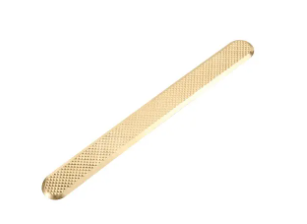
Knowing that you are interested in directional tactile strip, we have listed articles on similar topics on the website for your convenience. As a professional manufacturer, we hope that this news can help you. If you are interested in learning more about the product, please feel free to contact us.
IntroductionTactile strips are essential accessibility tools designed to aid visually impaired individuals in navigating public spaces safely. Installed in areas like doorways, ramps, and pathways, these strips provide tactile feedback to help users identify important locations and changes in direct
IntroductionTactile strips are a crucial element in the design of modern buildings, particularly for aiding navigation in large spaces. These strips, often found in public and commercial environments, are designed to assist visually impaired individuals in safely navigating complex spaces. The core
Tactile strips are essential for enhancing accessibility in public spaces, particularly for visually impaired individuals. These raised surfaces, available in warning and directional types, help users navigate safely by providing tactile feedback. Installed in locations like train stations, airports, and pedestrian crossings, tactile strips alert users to hazards and guide them along safe paths. They increase independence and promote inclusivity, benefiting not only the visually impaired but also the elderly and those with cognitive disabilities. Proper installation, materials, and adherence to international standards ensure their effectiveness in creating safer, more accessible environments for all.
Wayfinding systems play a crucial role in assisting individuals with visual impairments to navigate through public spaces independently and safely. One essential component of these systems is the tactile strip pattern, which provides tactile and visual cues to guide individuals along a desired path.